Am I going mad...Or was this US Treasury move a huge deal?
The news cycle these days can seem like the checkout conveyor belt at Aldi.
Take your eyes of it for a second and you are 5 steps behind, scrambling to keep up.
But even with that in mind this recent headline made surprisingly few ripples around the world media:

So what happened and why?
The Yen
The Japanese currency - the Yen - has been struggling recently, and many Japanese will be looking back at the 70’s with teary eyes.
Below is a look of how it has done against the dollar:
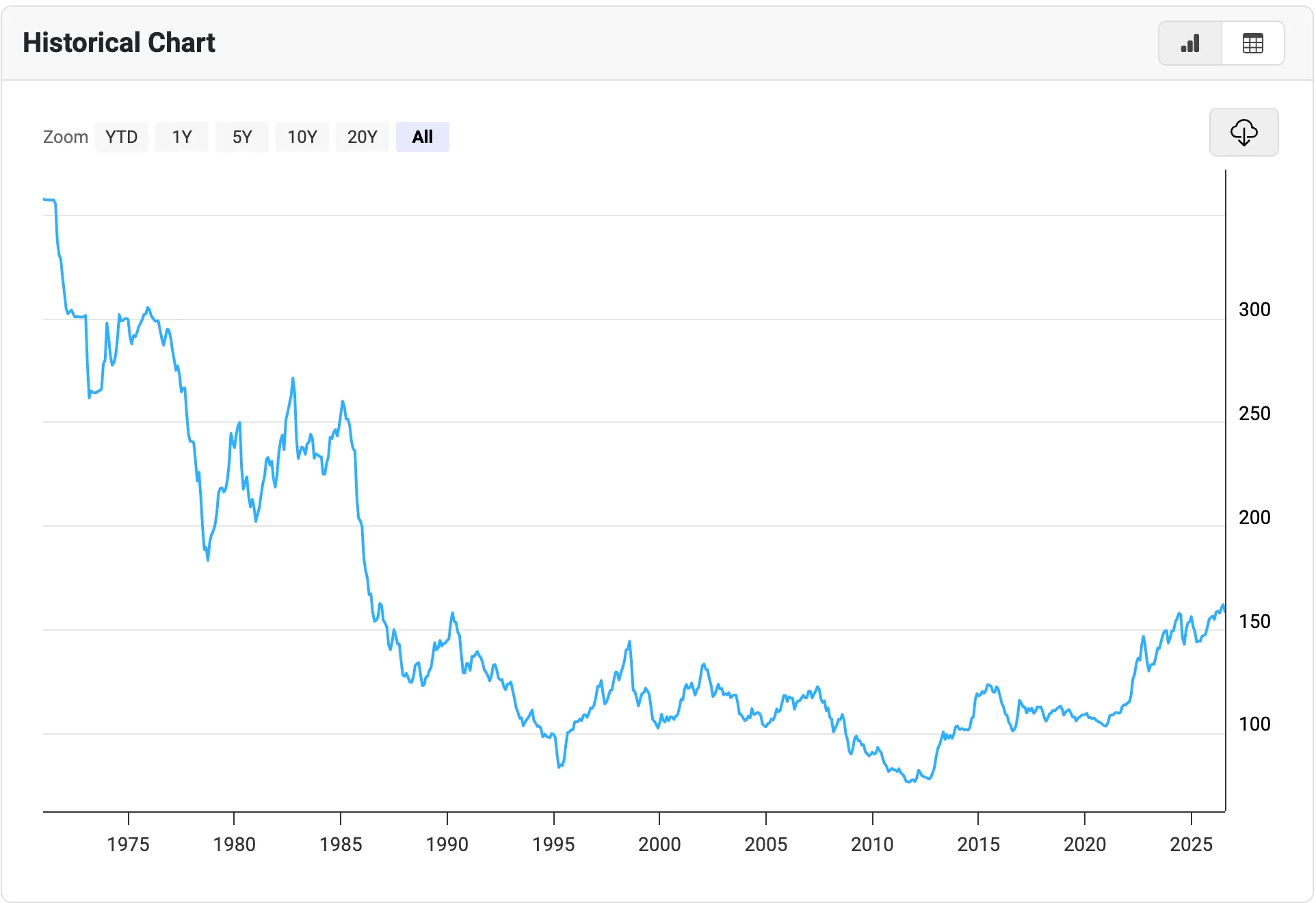
A lot of this has been due to it having maintained very low interest rates.
Now if their bonds have low interest rates, why would you buy them when you can get a better deal elsewhere?
This money leaving the country has contributed to the Yen’s issues.
USA debt levels
Now why does the USA care about that?
Well you may have heard the USA debt to GDP ratio has been rising faster than most stocks do just before I decide to buy them.
However, unlike my stock picks, it’s looking like the debt is going to continue rising:
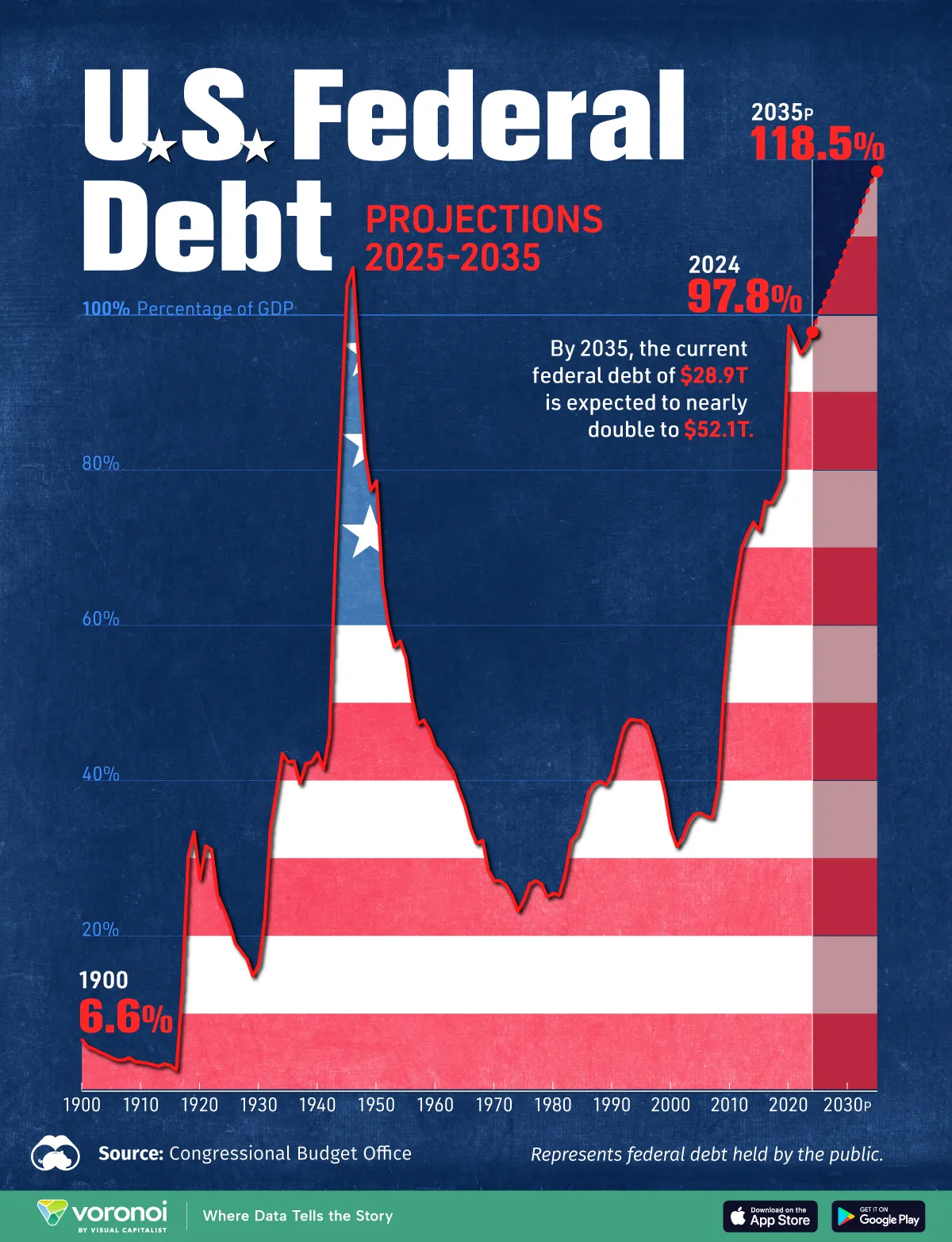
Current estimates have it at between 100.2% and 124.6%
Once this number is over 100% it can become a big deal, as every year, if you don’t outgrow your interest rate payment, you are effectively increasing debt just to stand still.
Back to why the US care about Japan’s low Yen.
The issue is that Japan owns a lot of USA debt, and one way they may look to prop up their Yen is by selling that debt and using the proceeds to buy the yen.
Now this would be terrible news for the USA, as a large scale sale of their bonds would lead to a higher supply, which economics 101 tells us then leads to the price reducing.
If the price of bonds goes down, the bond yield (the interest that the issuer has to pay on them) goes up. Basically, you have to raise the rate to make new bonds attractive to buyers again.
And this would mean that the USA would have to pay even more just to service it’s (already massive) debt payments. Not something that would want to do, especially with a pesky war going on, and mid-term elections on the horizon.
So it was very much in their interest to not to let that happen.
So what did the USA do?
Dumping the Euro
In the first joint US-Japan currency intervention since 1998, America decided to jump in and help defend the Yen.
But there was a catch - instead of selling dollars to buy Yen, they sold Euros.
Without giving the ECB (European Central Bank) any heads up …..until after the trade was done.
Since WWII, Western central banks have run on a basic norm - you consult each other before move against another’s currency.
The obvious point being, if you are going to risk weakening an allies currency with a sell off, you at least have the decency to tell them first.
It’s a bit like borrowing your mates car and only telling him when he notices the tank is empty.
The amount of Euros sold wasn’t enough to cause any significant crash, but the precedent and signal sent to the market shouldn’t be ignored, which is why I’m surprised that it’s not been covered more.
A 70-year consensus on how allies treat each other’s currencies just got quietly ripped up, and the reaction has been a shrug.
Retaliation?
Now the Scott Bessent and his pals at Treasury might be acting like they can do what they want, but this isn’t a risk free action.
If they do this again, the ECB could defend their currency by doing the same thing back to the USA. They could dump their dollar reserves, and not bother giving any heads up.
It’s in no ones interest for there to be a global recession, especially not the ECB who have many member states with economic worries of their own.
So I would expect Europe to do what they have done so far with the Trump government. Try to de-escalate, grab a pint and hope that things blow over.

“Let’s go to the Winchester, have a nice cold pint, and wait for all this to blow over.” — Shaun of the Dead (2004)
However, American’s shouldn’t be surprised to see European countries reduce the need to depend on US goodwill.
This would involve reducing the amount of US assets whilst deepening EU capital markets so that they are less exposed to being effected by this in the future.
Either way, I doubt the Europeans will be forgetting this any time soon.